
desertcart.com: A Christmas Carol: 9788175993273: Dickens, Charles: Books Review: A Christmas Carol Book Review (MS. LANGLIE! HERE IT IS!) - “I will honor Christmas in my heart, and try to keep it all the year. I will live in the Past, the Present, and the Future. The Spirits of all Three shall strive within me. I will not shut out the lessons that they teach. Oh, tell me I may sponge away the writing on this stone,” (Dickens 144) the once miserly, old Scrooge pledges desperately to the Ghost of Christmas Yet To Come as they stand over Scrooge’s future grave, following their witnessing of the nightmarish images of his own forthcoming death and its pitiable consequences. Charles Dickens’ charming and clever classic tale of Ebenezer Scrooge and his change of heart has touched a countless number of people over generations. This five-star novel’s utterly moving message and immense genius will touch many more to come, and urge others to make the pledge to “honor Christmas in [their own hearts], and try to keep it all the year,” (Dickens 144), as Scrooge so thoroughly did himself that one Christmas night. Originally published in the year of 1843, A Christmas Carol summons us to Victorian London, contemporary to the year the story was published. The selfish, stingy, miserly, and miserable, old Ebenezer Scrooge broods in his hatred for the Christmas Season, as Scrooge greatly detests happiness, generosity, love, and family. Christmas Eve night, he is haunted by the ghost of his old business partner, Jacob Marley, who appears to Scrooge with a long, heavy chain made from all of the terrible things that Marley pursued in life. Marley warns Scrooge that he is doomed to Marley’s same, terrible fate unless he changes the way he lives his life. So he tells Scrooge that three more Spirits will haunt him during the course of the night. We all know the story: the Ghosts of Christmases Past, Present, and Yet To Come visit Scrooge and show him moments in his lifetime in order to instill in Scrooge the idea to stop being so dreadful and instead to become compassionate. Throughout Scrooge’s tale, Charles Dickens introduces to us three different methods (one for each of the three spirits) as the tools for a person, such as Scrooge, to change one’s life. A very prominent theme portrayed in A Christmas Carol, is how the application of these three methods will change someone’s heart. The Ghost of Christmas Past is the first of the three to appear to Scrooge and the first to apply one of Dickens’ methods to change Scrooge’s heart. The Ghost of Christmas Past takes Scrooge back to his childhood and early years to show him all of the people he has loved. He sees his beloved, younger sister, Fan, the mother of his ever-encouraging nephew, Fred; he sees the jolly man to whom he was once apprenticed, Fezziwig, and the jovial love he showed to all his family and friends; and Scrooge also sees his former fiancée, reliving not only the scene of when she left him due to his growing greed, but also the images of the happy life she led after she left him. Seeing these people in his past renews Scrooge’s spark of love for his family and friends. Dickens’ first step to a change of heart— love. The jolly Ghost of Christmas Present succeeds the Ghost of Christmas Past and leads Scrooge through the existing world to see all those who were currently celebrating Christmas. He shows Scrooge the Cratchits, the family of Scrooge’s clerk Bob Cratchit, demonstrating to Scrooge how his habit of penny-pinching and ill behavior toward Bob Cratchit is affecting the poor, struggling family, in particular Bob Cratchit’s crippled son, Tiny Tim. This helps Scrooge feel regret for the decisions he has made and become more generous to those in need. The second method to the changing of Scrooge’s heart was the feeling of regret. Then the wraithlike Ghost of Christmas Yet to Come appears to Scrooge and shows him scenes from the future. At first, these scenes meant nothing to Scrooge as he saw the people of London’s disgraceful response to a terrible man’s death until Scrooge realized that this terrible man was Scrooge himself. This sudden realization at the setting of Scrooge’s own future grave was the sign of his complete conversion to kindheartedness. He felt absolute fear of the images he saw, and wanted nothing more than to reverse them. Hence, The Ghost of Christmas Yet to Come applied the final method of transformation— fear for the future’s terrible consequences. So there are the keys to Scrooge’s conversion— love, regret, and fear for the future. The theme of how the application of these three methods is the key to changing someone’s frame of mind I believe is both valid and properly conveyed. With the help of the three spirits that fateful, Christmas Eve night, Ebenezer Scrooge realized that he must always have, “the Spirits of all Three… strive within [him, and] not shut out the lessons that they teach,” because if he went back to not loving, not feeling regret and guilt, and not being wary or fearful of future consequences, Scrooge would return to the greedy, wicked state in which he had found himself the night before. But that theme isn’t the most prominent in Dickens’ A Christmas Carol. The most prominent theme is the happiness one feels when one shows more benevolence, and I think that Dickens displayed this intent more than thoroughly by the end of his tale. And how true that is. Scrooge would’ve gone on living his rotten life with no lasting legacy when he died if it were not for the spirits’ visits. Instead, he spent the rest of his years becoming “as good a friend, as good a master, and as good a man, as the good old city knew, or any other good old city, town, or borough, in the good old world,” (Dickens 158). In Charles Dickens’ flawlessly written tale of A Christmas Carol, Scrooge learns that happiness can come to us if we will forget self and worldly gain, concentrating instead on helping others and learning to embrace the love of family and friends. Dickens’ clear, concise, and beautiful depiction of the world’s most beloved Christmas story second only to Christmas’ inspiration is one that everyone would benefit from reading. And may those who read it, remember themselves to “honor Christmas in [their hearts], and try to keep it all the year,” (Dickens 144). Review: lovely book - What a wonderful book! After a (grossly misprinted) disappointment from a different publisher of this same book, I am very pleased with this copy. The cover, layout & illustrations are all lovely. I don't typically like the feel of glossy pages, but I'm overlooking that minor detail of personal preference with the hope that this book will last the test of time because of its glossy paper. Also, it's a large size book that will stand out & look beautiful on the shelf between reads. “I will honour Christmas in my heart, and try to keep it all the year. I will live in the Past, the Present, and the Future. The Spirits of all Three shall strive within me. I will not shut out the lessons that they teach.”


| Best Sellers Rank | #174,173 in Books ( See Top 100 in Books ) #62 in Children's Christian Holiday Fiction #597 in Classic Literature & Fiction #1,503 in Children's Classics |
| Customer Reviews | 4.7 out of 5 stars 42,796 Reviews |
G**N
A Christmas Carol Book Review (MS. LANGLIE! HERE IT IS!)
“I will honor Christmas in my heart, and try to keep it all the year. I will live in the Past, the Present, and the Future. The Spirits of all Three shall strive within me. I will not shut out the lessons that they teach. Oh, tell me I may sponge away the writing on this stone,” (Dickens 144) the once miserly, old Scrooge pledges desperately to the Ghost of Christmas Yet To Come as they stand over Scrooge’s future grave, following their witnessing of the nightmarish images of his own forthcoming death and its pitiable consequences. Charles Dickens’ charming and clever classic tale of Ebenezer Scrooge and his change of heart has touched a countless number of people over generations. This five-star novel’s utterly moving message and immense genius will touch many more to come, and urge others to make the pledge to “honor Christmas in [their own hearts], and try to keep it all the year,” (Dickens 144), as Scrooge so thoroughly did himself that one Christmas night. Originally published in the year of 1843, A Christmas Carol summons us to Victorian London, contemporary to the year the story was published. The selfish, stingy, miserly, and miserable, old Ebenezer Scrooge broods in his hatred for the Christmas Season, as Scrooge greatly detests happiness, generosity, love, and family. Christmas Eve night, he is haunted by the ghost of his old business partner, Jacob Marley, who appears to Scrooge with a long, heavy chain made from all of the terrible things that Marley pursued in life. Marley warns Scrooge that he is doomed to Marley’s same, terrible fate unless he changes the way he lives his life. So he tells Scrooge that three more Spirits will haunt him during the course of the night. We all know the story: the Ghosts of Christmases Past, Present, and Yet To Come visit Scrooge and show him moments in his lifetime in order to instill in Scrooge the idea to stop being so dreadful and instead to become compassionate. Throughout Scrooge’s tale, Charles Dickens introduces to us three different methods (one for each of the three spirits) as the tools for a person, such as Scrooge, to change one’s life. A very prominent theme portrayed in A Christmas Carol, is how the application of these three methods will change someone’s heart. The Ghost of Christmas Past is the first of the three to appear to Scrooge and the first to apply one of Dickens’ methods to change Scrooge’s heart. The Ghost of Christmas Past takes Scrooge back to his childhood and early years to show him all of the people he has loved. He sees his beloved, younger sister, Fan, the mother of his ever-encouraging nephew, Fred; he sees the jolly man to whom he was once apprenticed, Fezziwig, and the jovial love he showed to all his family and friends; and Scrooge also sees his former fiancée, reliving not only the scene of when she left him due to his growing greed, but also the images of the happy life she led after she left him. Seeing these people in his past renews Scrooge’s spark of love for his family and friends. Dickens’ first step to a change of heart— love. The jolly Ghost of Christmas Present succeeds the Ghost of Christmas Past and leads Scrooge through the existing world to see all those who were currently celebrating Christmas. He shows Scrooge the Cratchits, the family of Scrooge’s clerk Bob Cratchit, demonstrating to Scrooge how his habit of penny-pinching and ill behavior toward Bob Cratchit is affecting the poor, struggling family, in particular Bob Cratchit’s crippled son, Tiny Tim. This helps Scrooge feel regret for the decisions he has made and become more generous to those in need. The second method to the changing of Scrooge’s heart was the feeling of regret. Then the wraithlike Ghost of Christmas Yet to Come appears to Scrooge and shows him scenes from the future. At first, these scenes meant nothing to Scrooge as he saw the people of London’s disgraceful response to a terrible man’s death until Scrooge realized that this terrible man was Scrooge himself. This sudden realization at the setting of Scrooge’s own future grave was the sign of his complete conversion to kindheartedness. He felt absolute fear of the images he saw, and wanted nothing more than to reverse them. Hence, The Ghost of Christmas Yet to Come applied the final method of transformation— fear for the future’s terrible consequences. So there are the keys to Scrooge’s conversion— love, regret, and fear for the future. The theme of how the application of these three methods is the key to changing someone’s frame of mind I believe is both valid and properly conveyed. With the help of the three spirits that fateful, Christmas Eve night, Ebenezer Scrooge realized that he must always have, “the Spirits of all Three… strive within [him, and] not shut out the lessons that they teach,” because if he went back to not loving, not feeling regret and guilt, and not being wary or fearful of future consequences, Scrooge would return to the greedy, wicked state in which he had found himself the night before. But that theme isn’t the most prominent in Dickens’ A Christmas Carol. The most prominent theme is the happiness one feels when one shows more benevolence, and I think that Dickens displayed this intent more than thoroughly by the end of his tale. And how true that is. Scrooge would’ve gone on living his rotten life with no lasting legacy when he died if it were not for the spirits’ visits. Instead, he spent the rest of his years becoming “as good a friend, as good a master, and as good a man, as the good old city knew, or any other good old city, town, or borough, in the good old world,” (Dickens 158). In Charles Dickens’ flawlessly written tale of A Christmas Carol, Scrooge learns that happiness can come to us if we will forget self and worldly gain, concentrating instead on helping others and learning to embrace the love of family and friends. Dickens’ clear, concise, and beautiful depiction of the world’s most beloved Christmas story second only to Christmas’ inspiration is one that everyone would benefit from reading. And may those who read it, remember themselves to “honor Christmas in [their hearts], and try to keep it all the year,” (Dickens 144).
A**R
lovely book
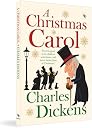
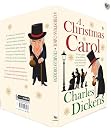
What a wonderful book! After a (grossly misprinted) disappointment from a different publisher of this same book, I am very pleased with this copy. The cover, layout & illustrations are all lovely. I don't typically like the feel of glossy pages, but I'm overlooking that minor detail of personal preference with the hope that this book will last the test of time because of its glossy paper. Also, it's a large size book that will stand out & look beautiful on the shelf between reads. “I will honour Christmas in my heart, and try to keep it all the year. I will live in the Past, the Present, and the Future. The Spirits of all Three shall strive within me. I will not shut out the lessons that they teach.”
H**E
Great illustrated A Christmas Carol
After looking around for soooooo many different editions of the FAMOUS “A Christmas Carol” books, I decided to buy this edition, been illustrated by PJ Lynch. Great illustration to go with the classic story! So Beautiful! Me and my son will absolutely enjoy them while reading together! Here are some of the pictures!
A**S
A Christmas classic.
I don't remember the first time I read this book, but between years of reading it every December, watching one of the many excellent film renditions, and 3 years performing in a stage show derived from the original text... I know most of An Christmas Carol by heart. It's Dickens' classic Christmas story - a miserly old man is visited by three ghosts Christmas morning and make him see his own cruelty and malice and inspire him to change his outlook on people and the world. He is filled with Christmas spirit, and his heart grows three sizes. In some renditions, he even stands on his head to show how merry he has become. It's delightful. It's classic. Any fan of Christmas must read this book. At the time Dickens penned this tale, Christmas was a far cry from the holiday we celebrate ever December. The tradition in England was dying, with poverty run rampart and the vicious weather... folks didn't feel like they had much to celebrate. Dickens can be thanked for helping revitalize the holiday. I like the book best because there are moments and characters that rarely - if ever - make it to the screen. I am particularly fond of Scrooge's sister Fan and his once-fiance Isabelle. These two ladies shaped his youth, back when he was filled with joy. I adore most of the Ghost of Christmas Past, when he was young and merry. But we see Scrooge's transformation and finally his repentance. It's a short book, a story many people already know. If you've got a mug of spice ale and a bit of roast goose handy, I'd suggest grabbing a proper Victoria Christmas snack and reading it yourself. Tim Curry does a hauntingly good job in the audiobook (particularly with the ghosts), but any version will do!
C**R
A great Christmas read.
I read this every year. This version is wonderful. You can Invision the author writing the story.
S**Z
A Christmas Classic Brought to Life in Paintings
In Charles Dickens' classic masterpiece, the miserable Scrooge is given a chance to repent of his selfish lifestyle when he is visited by four spirits -- first, his tormented former business partner, sentenced to wander the netherworld until he has atoned for his sins -- and then three "Spirits of Christmas," who show him the past origins of his lifestyle, the present effects of his selfishness on people in his life, and the future toward which his life is tending. He wakes from the final vision a changed man, renounces his selfish ways, and lives a generous, loving life from that time forward. This hope-filled moral tale contains themes of redemption, hope, and generosity that resonate with Christianity, but it isn't really a Christian story. In fact, it is a good example of how a Christian holiday has come to be observed in a way that diffuses its religious meaning. For Christians, Christmas is a day to celebrate God's gift of his Son to humanity. The familiar phrase "Peace on earth, goodwill to men" was first spoken by angels announcing Jesus' birth (Luke 2:13-14). This peace primarily refers to the relationship between God and humanity (Romans 5:1-2). God miraculously extended Himself to us in the body of Jesus, ending the hostility that had separated us from Him since Adam's rebellion (Romans 5:15-17). As Christians rejoice in the miracle of Christ's reconciliation, God's love naturally pours out into joyful generosity toward other people. This significance of the holiday has been largely forgotten in our post-Christian society, but you can still feel the shadow of that joy in a general sentiment of humanitarian goodwill recognized as "Christmas spirit." In Dickens' story, the Spirit of Christmas is personified in the three figures of past, present and future Christmases, and it is to Christmas Spirit, not to God, that Scrooge turns in his repentance. In his own words: "Spirit!" he cried, tight clutching at its robe. "Hear me! I am not the man I was. I will not be the man I must have been but for this intercourse..... I will honour Christmas in my heart, and try to keep it all the year. I will live in the Past, the Present, and the Future. The Spirits of all Three shall strive within me. I will not shut out the lessons that they teach." For Christians, who believe the only way to change your life is to trust in Jesus, Scrooge's repentance will be somewhat unconvincing -- but that doesn't mean thoughtful Christians can't appreciate the author's brilliant portrayal of human sin, selfishness, and suffering. This is a moral tale, excellent for demonstrating the consequences of sin and the benefits of goodness. Unlike many moral tales, this one is infused with joyful hope, executed with a literary excellence that has endeared it to readers for over 150 years. Dickensian language can be difficult for children to follow, and the content of this story may be troubling to an elementary audience, but for parents who think their kids will enjoy this story, an illustrated version can go a long way toward bridging the language gap. My favorite edition is illustrated by P.J. Lynch, whose exemplary gift for depicting human emotion makes his characters very real. They almost seem to breathe on the page, and the reader is effortlessly drawn into their thoughts and interests.
C**T
"No space of regret can make amends for one life's opportunity misused"
"No space of regret can make amends for one life's opportunity misused" Ebenezzer Scrooge is one of the most miserly, greedy, selfish businessmen, especially at Christmas. Through the visions of his dead partner, Jacob Marley, and three Ghosts, Scrooge is sent on the learning experience of a life. There is a reason why this book is so prevalent in our (Western) culture, how everyone, even those who've never read the novella/book, know the story so well (which is why this review will not have any spoiler notices). This story is a story that hits us to the core, that forces us to look outside our selfish lives and to think of others. And while the characters aren't the most nuanced, it is the story, it is the heart of the book that is most important and most inspiring. The characters are rather one-note, if you think about it. Scrooge is the only one that undergoes any change (somewhat expected, as it is a novel about his growth), but he starts out as the hideously over-done selfish man and ends up as the happiest, most joyful man in the world. Seeing his drastic change, however, does make the story more compelling, which is probably why Scrooge was painted so over-the-top in the beginning. From his little sister to Belle to Bob Crachit and his family, the characters tend to be blindly cheerful and happy despite their conditions. About the only one I can think of off the top of my head that isn't is Mrs. Crachit, who definitely harbors some resentment to Mr. Scrooge. But the remarkable thing about "A Christmas Carol" isn't the nuanced, varied characters, but the story, the journey, Scrooge's miraculous change. Reading it for the second time (I read it once in high school on my own), I was still touched and intrigued. I discovered more of the humor (the bit about Marley being more of "gravy than of grave"), the deeper meaning of the story. A lot of times, it seems that movies take the bits about Scrooge celebrating and honoring Christmas, and while that is an important theme, I thought the more important theme was to look out for your neighbor and open your heart. Scrooge was miserly, giving his employee a crappy wage (something like 15 shillings a week!). He refused to have anything to do with his nephew, he wouldn't give to the poor, and he had no compassion for beggars. While he lived in a huge home, he only lit a single candle and lived in a single room. And as the Ghosts reveal his past, present, and future, he slowly realizes, "Hey, I should have been nice to that kid on the street", "Hey, I wish I had agreed to visit my nephew", and "Hey, I should do something about my employee's work conditions". And that is why this book is so great, in my opinion. Christmas is one day and not everyone celebrates it the same way (or at all!); but kindness and generosity can be expressed ALL YEAR LONG and EVERYONE can share it. That is how I interpret it when Scrooge says, near the end: "I will honor Christmas in my heart and try to keep it all the year". Christmas isn't the Christian holiday, or the commercialized version that we see all around us; Christmas is the compassion we have to those around us. Brought to you by: *C.S. Light*
S**Y
Lovely hardcover book
Got this for my daughter. A wonderful edition to our collection. Arrived quickly .
Trustpilot
1 month ago
3 days ago