We remain fully operational. Our teams are working around the clock to ensure your deliveries continue safely.

DOWNLOAD THE APP


Customer Services
Copyright © 2025 Desertcart Holdings Limited
DOWNLOAD THE APP

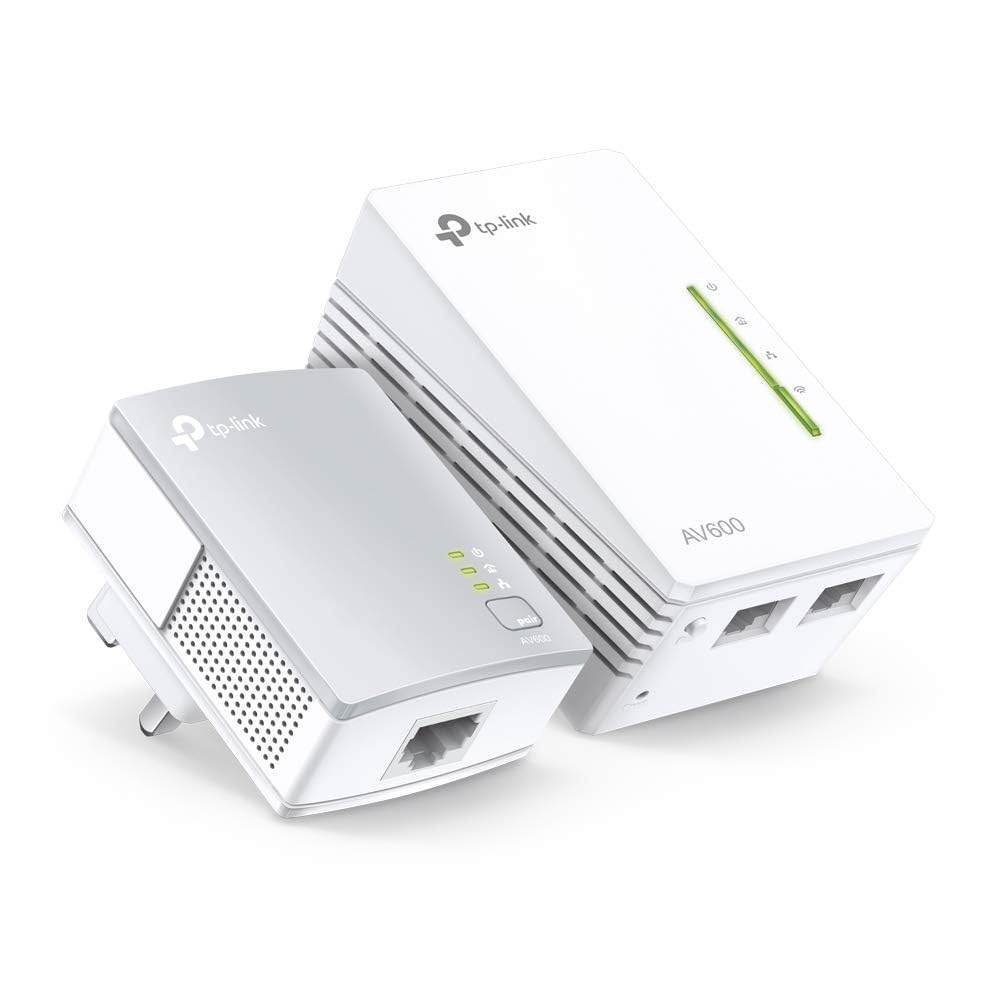
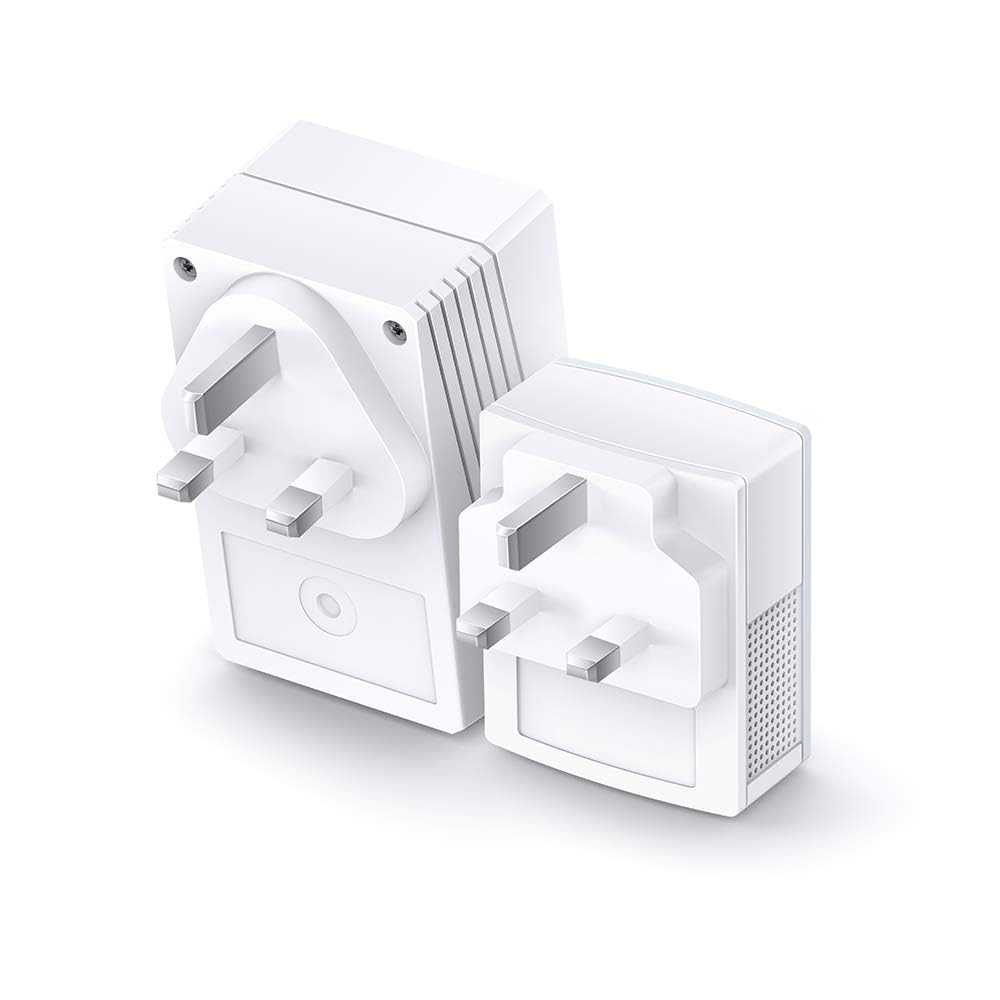
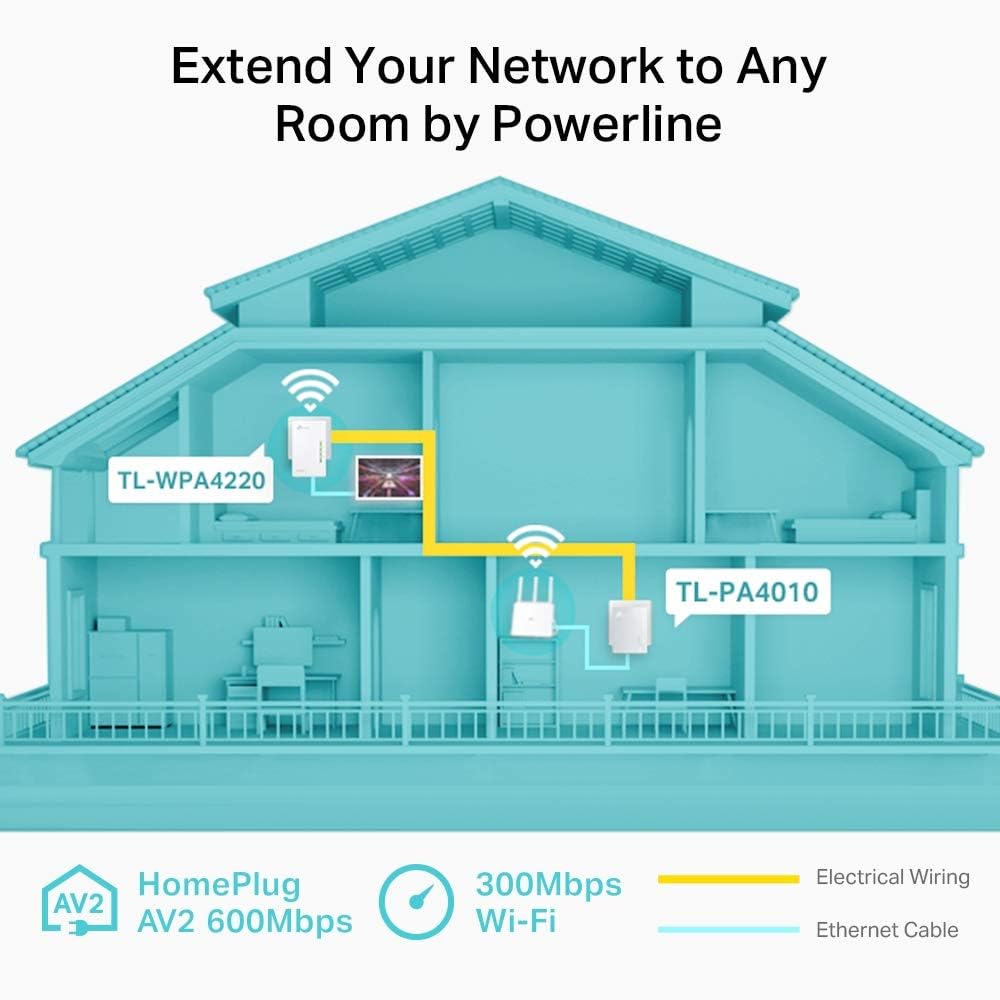

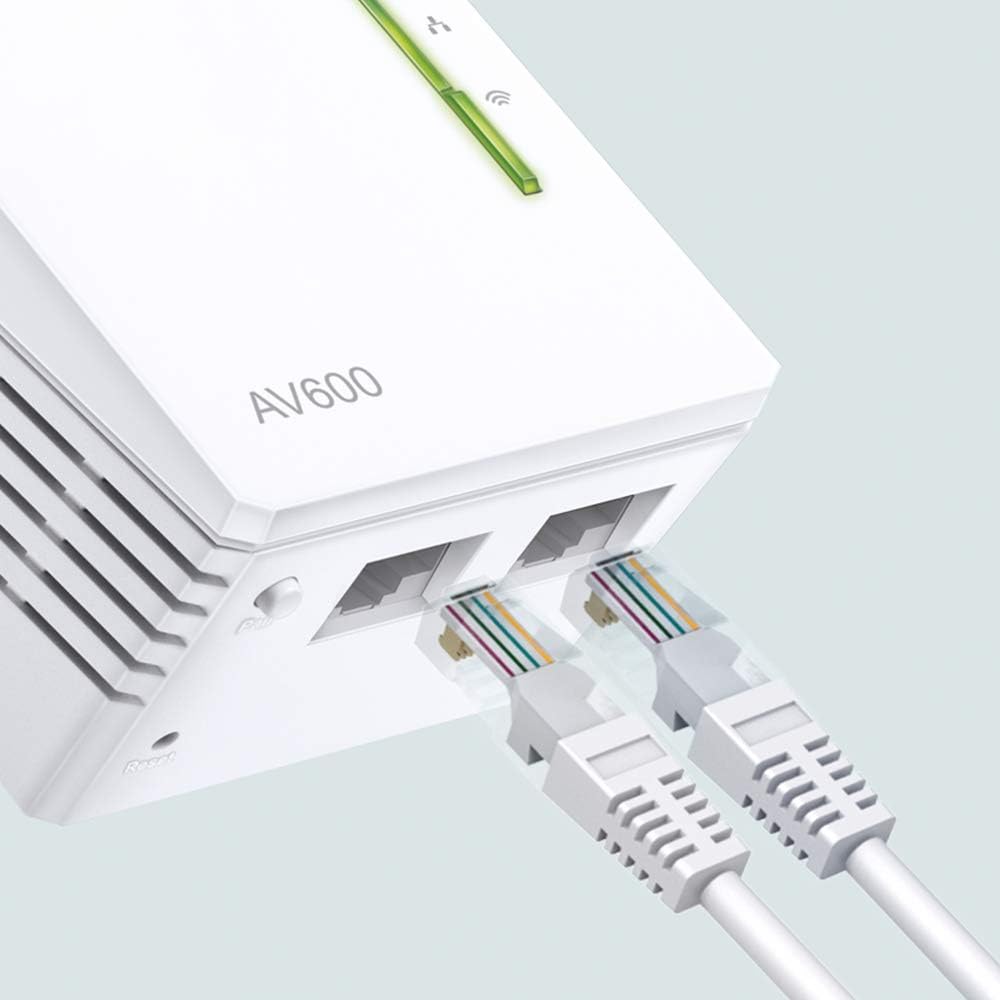
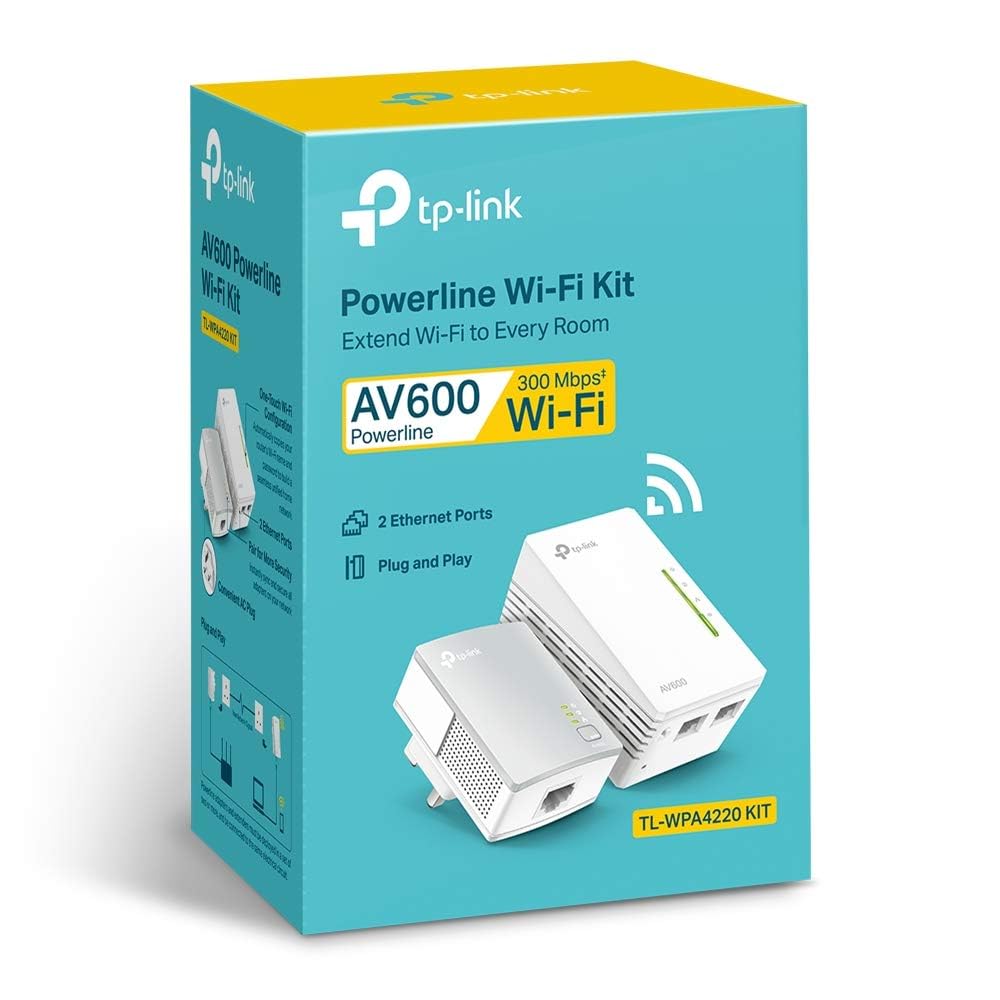

⚡ Power up your home WiFi—fast, far, and flawless!
The TP-Link TL-WPA4220 KIT AV600 Powerline Adapter WiFi Extender Kit transforms your home’s electrical wiring into a high-speed network backbone, delivering up to 600Mbps data transfer and extending WiFi coverage up to 300 meters. Featuring a WiFi Clone Button for seamless network integration and dual-band support, it ensures reliable, lag-free connectivity for streaming, gaming, and smart devices—all with easy plug & play setup and a 24-month warranty.


| ASIN | B01LXOZ4EN |
| Best Sellers Rank | 488 in Computers & Accessories ( See Top 100 in Computers & Accessories ) 2 in Powerline Network Adapters 13 in PlayStation Legacy Systems |
| Box Contents | AV600 Powerline Wi-Fi Kit: TL-WPA4220 & TL-PA4010, 2× Ethernet Cables, 1× Quick Installation Guide |
| Brand | TP-Link |
| Brand Name | TP-Link |
| Colour | Black |
| Compatible Devices | Desktop, Gaming Console, Smart Television |
| Connector Type | RJ45 |
| Customer Reviews | 4.3 out of 5 stars 16,199 Reviews |
| Data Transfer Rate | 600 Megabits Per Second |
| Data transfer rate | 600 Megabits Per Second |
| Frequency Band Class | Dual-Band |
| Frequency Bands Supported | 2.4 GHz, 5 GHz |
| Frequency band class | Dual-Band |
| Item Weight | 8.11 Ounces |
| Manufacturer | TP-Link |
| Product Warranty | 24 months |
| Range | Up to 300 meters/1000 feet over existing electrical wiring |
| Special Features | Wi-Fi Clone Button |
| Special feature | Wi-Fi Clone Button |
| Unit Count | 1.0 count |
| Wireless Compability | 802.11b, 802.11g, 802.11n |
| Wireless communication standard | 802.11b, 802.11g, 802.11n |
G**Y
A cost-effective solution - for us
I purchased both a TL-WPA4220KIT and TL-PA4010KIT as part of the same home WiFi solution. As such, I have given the same review for both purchases. We have a long thin Victorian house with a BT HomeHub-5 in the front lounge. We have a ‘copper’ connection to the BT exchange as fibre is not available in our area of London yet. That said, we usually get a reasonable 9-10Mbps connection. Our problem is that we cannot get usable WiFi coverage in the kitchen at the rear of the house. We initially tried to use WiFi signal extenders but these proved slow and unreliable. So, about 3 years ago I purchased an AV500 PowerLine solution from SAGEMCOM. This included a Powerline WiFi extender in the kitchen. This proved to be adequate though we did need to reset all of the adapters about once a month when things ‘locked up’. Then, a month ago, the WiFi adapter in the kitchen handed in its cards and died. Thinking I would try for a higher-tech solution I purchased a WiFi Mesh solution on Amazon. However, this proved to be a complete disaster being slow and totally unreliable. I suspect this was due to the requirement for overlapping WiFi signals between the nodes. Also, as we live very close to the Crystal Palace TV transmitter, we are susceptible to RF interference. So, it was back to the drawing board and I returned to the tried and tested PowerLine solution. I chose these AV600 kits as I have always liked TP-Link products and found them dependable and reliable. As such, in total, we have 3 x TL-PA4010 mini PowerLine adapters and a TL-WPA4220 WiFi extender (in the kitchen). One of the mini adapters in located in the lounge and is connected with a LAN cable to the BT router. The other 2 adapters are in the bedroom. One is connected to a BT YouView box and the other to a Roberts Internet Radio (neither of which support WiFi). A secure network was made by connecting all 4 units in turn by use of the ‘pair’ buttons. All then burst into life and worked fine. The WiFi extender was using its factory SSID and password. I successfully trialed changing this by logging onto its admin screens using a browser (you will need to know its IP address to do this – I picked it up from the BT Hub setup menus). But then, I used the ‘WPS’ method to clone the BT Hub SSID and password instead by, temporarily, moving the extender to the lounge and following the easy ‘quick setup’ guide. This worked a treat and everything has now worked without hiccup for over a month. I have had previous issues with cloned SSID’s - with mobile devices getting confused when connecting. However, thus far, we have not had any problems and devices switch between the BT router and TP-Link extender (as we move around the house) without issues. That was a pleasant surprise! I did get the tpPLC android app for my mobile and its quite informative. It has a poor rating in the Google Play Store but this is IMHO, unjustified. It has no whistles and bells or astounding graphics but it does a job simply and well. I can see the status of all adapters and the speed of communication between each one. I seem to be getting a respectable 380-450 Mbps between each device except when they are idling and the communication rate drops to, I presume, a default 11 Mbps. The app also allows you to rename the devices (which may be useful for any future trouble shooting) and it can used (apparently) for firmware upgrades. Alas, it cannot be used to restart devices (it only allows a factory reset). Nor, can it be used for changing the settings (SSID ID etc) on the extender – this can only be achieved by ‘browser’ access. So, we are pleased. This solution is (thus far) reliable and is reasonably priced. It is also easy to set up (though my prior experience in this area helped) and it’s a step up from our old SAGEMCOM PowerLine solution. Had BT supplied us with a higher speed ‘fibre’ internet connection, I would have gone for say, an AV1200 setup with dual band WiFi. As it is, this meets our needs. Also, if you have a shortage of mains outlets in your house, you may want to opt for more expensive ‘mains pass-through’ adapters. NOTE. I see there are a number of debates on Amazon regarding the reliability of PowerLine solutions. ie. Some people are extremely happy while others have persistent problems. This is not peculiar to TP-Link products. Based on my experience, I would suspect that performance is directly related to the state of the house mains wiring. Our house has recently been rewired which not only improves (and reduces the number of) connections, but potentially shortens cable runs too. As such, unfortunately, a PowerLine solution may not be ideal for everyone - particularly in some older houses with extensions and complications added over the years. You may need to 'suck it and see' to decide if it works for you.
D**D
Excellent Product
I had already installed a Velop mesh WIFI system in our new house and that works really well. It does rely on you being able to hop from one base station to the next and provided they are in range all is well. Not cheap by any definition but does provide a single cohesive network for the whole house. We recently renovated some outbuildings into workshops and garages and while this was wired from the main house the WIFI strength made the mesh extension option a bit risky as the signal that would need to be boosted was very weak. I came across this product while researching alternatives and was pleased with the excellent reviews on Amazon and decided to give it a go as the cost was not prohibitive in any way. Set-up was very easy and despite the instruction that you connect the base as close as possible to the router I found that the length of power circuitry was a more important factor. I tried "the close to router" approach but the WIFI station failed to pair. I had installed a Cat 7 ethernet system in the house when it was being built and had a number of ethernet ports in various locations to choose from. When the base station was relocated on a shorter spur to the main fuse board it paired successfully and provided a solid WIFi signal in the workshops. The main connection into the house is 300 MBs and even though the signal delivered in the workshops is a fraction of that at about 12 to 20 MBs it is perfectly adequate for what we need. The workshops are connected to the main house by a buried steel wire armoured cable and they have their own distribution board. I was pleased that the devices worked over this configuration and have no doubt that extending within a house on the same circuit would deliver considerably higher speeds. Take it from someone who spent in excess of £600 for WIFI mesh systems that this much cheaper option, with the WPS integration, would provide an equally good solution. Highly recommended and excellent value for money.
O**.
Useful but not simple
The Good: - It did speed up the Mbs in our wifi black spot (from a pathetic 12 to 30+) - Pairing the device was very straight forward. - Seems to work okay if plugged into an extension cable (but you might get lower speeds) The Bad. - Cloning the SSID from hub to the unit via WPS doesn’t work (work around below). - The app is pointless. Don’t bother. - The wifi seems to give faster speeds than connecting via cable? Very odd. - The drop off is significant. The speed of the wifi at our hub is around 100mbs but the best I can get from the TP-link is 44 (more usually in the higher 20s). That said if you have a dead spot that’s better than nothing! Other things to note. - For this to work the two sockets do need to be on the same wiring ring. For us the dead spot is in the converted loft (on a different ring) but bridging the gap by installing between floors has done the job. - You will need to clone the SSID / Password to make sure you don’t have sign in to two different wifi networks. The simple way is to press the wifi button on the unit and the WPS button on the router. This didn’t work for us. Don’t bother with the mobile app. That won’t help either. Search for “TP-Link Utility” in google and download to a laptop. From here you can set the SSID to the same as the one you currently have and the same for the password. Once you have done this as you walk round the house your device(s) will connect to the strongest signal. Overall it’s pricey and needs a bit of time, patience and IT knowledge to install (if things don’t go as per the instructions). BUT, I can now get strong enough internet in the home office so I don’t now freeze during Teams Calls… I’ll be needing a new excuse for dropping off those now.
J**N
Simple set up and reliable operation, good value
Set up was straightforward and quick. Although the two units are on separate distribution boards, the ethernet traffic seems unphased by this and the link works fine. I'm only using this to connect a heating controller to web, so I can't comment on ultimate speeds or latency, but it is reliable and good value.
T**R
Amazed at how good this is. Superb product
I am a network engineer and I bought this for a job I had to do for a client which involved getting a wifi signal to a set of remote gate posts on a property for a smart intercom / doorbell. This product for me was both vastly cheaper than buying the amount of cat5 (ethernet) cable I needed and a million times easier than running it down the side of a very long driveway. I am incredibly impressed with this product and I use TP Link powerline networking gear a lot but the first time I used this model with the wifi option which not only worked really well the wifi signal this plug produced was very strong and rock solid and could be picked up from a considerable distance away. Setup literally could not be easier you simply plug the smaller of the two plugs into a electrical socket and plug one end of the supplied cat5 (ethernet) cable into the plug and the other end into the back of your broadband router (or network switch / patch panel etc). Then plug the bigger of the two plugs into a electrical socket in the area you want the extended wifi signal in. The bigger of the two plugs also have a ethernet / network port on it so you can plug a cable into it and then into the back of a computer, tv, games console etc and still benefit from the wifi extension too. Take it from someone who knows their stuff when it comes to this carry on.... this is a excellent piece of kit made by a manufacturer who is unable to make a bad product... TP Link are superb. The price paid is a bargain full stop but as I said above given the cost of the cable I would have to have used this for me was the bargain of the century and saved me a back breaking day of pulling cable. Cannot recommend highly enough... it's a no brainer ladies and gentlemen!
K**C
Flaky device and poor tech support
I purchased the TP LInk AV600 extender as I'm now working constantly from home and based on all the positive reviews it seemed like the perfect solution to achieve a consistent wifi connection throughout the house. My home set-up is not complicated or unusual; our main BT router is downstairs and my office is upstairs. The installation was certainly easy and I chose to connect the extender unit to my laptop via an ethernet cable to provide an even more solid connection. However, after a short period of use, the device began stalling & dropping out and the laptop began diverting back to the BT wifi. I then unplugged the ethernet cable and used the TP link wifi and it seemed OK for a day or two, but then the device continued to cut out and we noticed this both on my laptop and also on other mobile devices that were connected to the TP link wifi. I contacted the TP Link on-line chat and spent a very frustrating 75 minutes on line with a technician who asked a number of questions and issued various links to try and install new firmware by downloading a BIN file but with zero guidance on what to do once I'd actually downloaded it. What made this even more frustrating was that it took over 5 minutes each time for the technician to respond to my actions or questions and it got to the point where I had to end the session with the issue unresolved due to a business call. I then elected to phone the help line and managed to speak to a technician who took me down a completely different route of asking me to check my IP address and ping my router. He then asked me to move the extender unit to the room where the master box is installed (in the downstairs room next to my router) and monitor it for 24hrs. (Not the easiest thing to do when you're working at home alone in an upstairs office). However, over the course of a weekend, we left the extender plugged in downstairs and monitored it. Suffice to say we had the same issue with it dropping out. This process has involved multiple emails to their tech support over the course of a week. I've just moved the extender back to the upstairs office and it's dropped out no less than 6 times in one morning. Frankly the device itself is a piece of junk and the tech support is virtually unintelligible and equally useless. It may be that the device works fine for most people, but as I said above, my home set up is not at all unusual and I've been extremely frustrated and disappointed with it. Further Update When I emailed TP LInk tech support to advise that I was ending the matter and returning the device to Amazon, I received an email from a more senior member of their tech team. She immediately seemed much more 'on-the-ball' and her instructions and questions were clear and legible. At her request I agreed to give it "one more go" and after several further emails to guide me through various diagnostic processes, we returned again to the issue of the firmware on the device. With her guidance I updated the firmware and since doing this, the device appears to be functioning correctly. Interestingly I get a much better performance from using the wifi rather than having it connected by cable but at least it's working. We'll see how long it lasts, but for now it's doing an OK job.
M**R
Brilliant and so simple to setup.
TP-Link TL-WPA4220KIT is very simple to setup using the clear instructions. I didn’t ‘clone’ my existing WiFi network via WPS as I wanted to be able to identify the TP-Link extenders while I experimented with possible locations. Out of the box, all I had to do was follow the excellent instructions to pair the two Extenders (a second extender bought separately) with the Adapter. The kit worked perfectly without doing anything else; the two TP-Link (WiFi) extenders somehow manage a single, overlapping, WiFi network that covers the whole house - absolutely brilliant! Don’t expect to get quite as good coverage (in a ‘difficult’ site) as you might be getting from a good WiFi router. If you’re in doubt, it was cheaper to buy the kit with two 2-port Extenders rather than buying a second a few days later as I did. If you need more than 2, check prices carefully; from Amazon, it was much cheaper to buy a second complete kit than a single (new) extender. With 2 extender units sited to cover the whole house (massive interior and external stone walls), coverage is seamless as I move around the house with my tablet. Multiple extenders run a single WiFi network – brilliant. You just plug each one into a wall socket near the single Adaptor, pair it with the adaptor, then move it to a suitable wall socket. This means that experimenting for best coverage could not be simpler, just move extenders to different sockets – but do switch off sockets before (un-)plugging. TP-Link tell you not to use extension cables – I had no choice (the power socket close to my router is on the skirting board too close to the floor (listed house), and I’ve had no problems with a simple 2-way extension cable. I suspect it’s multi-way extensions with power indicators, suppressors etc., that cause problems. My 3 TP-Link units are on 2 different ring-main circuits and there’s an RCCD on the consumer unit. I can’t think why going through an RCCD (outbuilding) is likely cause problems, but don't know for sure. Because my new 4G mobile router has to be in an attic window to get a decent mobile signal, I couldn’t put it in the same place as my redundant ADSL router located where it both gives adequate WiFi coverage of most of the house and can be connected (wired Ethernet) to my printer and PC. The 4G router connects to the whole house via the TP-link network: router directly to the TP-Link adaptor (ethernet); extender 1, in place of the ADSL router, via Ethernet to printer and PC and gives WiFi coverage to the middle of the house; extender 2 provides WiFi to the kitchen and the rooms above – where the previous WiFi was patchy. If you really need to tinker with the set-up (e.g. change network SSID, password etc. etc.) there’s a good, intuitive, browser interface.
J**H
Very good, but not foolproof.
*DISCLAIMER* I’ve reviewed multiple power lines and the same “issue” persists and is not foolproof. In all, this “issue” isn’t so much an issue but is down to a multitude of factors. Power lines operate through the current electric cables running through a household, through the router. This means that everyone’s use case is difference, and performance can vary depending on the Wi-Fi router plugged into, the wiring through your house and the Ethernet cables you use. TP Link are always a safe bet in terms of not just power lines, but all tech products. The AV600 has worked excellently for myself, and struggled in some areas as listed below. (Please read the disclaimer, as this is MY use case, and can be SLIGHTLY different for everyone else. But in general, these pros / cons are universal) Pros: - Excellent consistency. The speed stays the same, regardless of bandwidth and users on the network. I do a lot of network heavy tasks, and have never noticed fluctuations in ping, download/upload speed. - Ease of installation: Anyone can set these up. The box comes with two modules and two Ethernet cables. You simply plug in both plugs in your house, plug into the router and where you want an Ethernet connection, press the connect button and you’re online. - Okay Wi-Fi speed: Included in both the pros and cons. The Wi-Fi that the plugs output functions well, and is consistent, but is about 20-30% the speed of the original Wi-Fi speed. Cons: - Decreased Wi-Fi speed: My internet speed on straight Ethernet is 934mb/s, but using the power lines my speed is decreased to 180mb/s. There is a speed restriction on these units, but this is a significant decrease. - Slow Wi-Fi speed: The modules have an extension which allows for wireless connections, they are very consistent, and function as a Wi-Fi module, but the speed is incredibly slow. Overall thoughts: Power lines could be the answer to all of your Wi-Fi problems, connecting you through a wired connection anywhere in the house, and I believe that the AV600 are probably, at this price point, the best option. I have reviewed £415 power lines, which are only narrowly better than these. Product quality is good, do not consume a massive amount of power and are an incredibly easy way to get connected anywhere, if you don’t mind sacrificing a small amount of your overall Wi-Fi speed for consistency, anywhere in your house. Please ping me a message if you have any questions regarding this product!
Trustpilot
2 days ago
4 days ago