Some deliveries may take a little longer than usual due to regional shipping conditions.

قم بتنزيل التطبيق


معلومات عنا
حقوق الطبع والنشر © 2024 Desertcart Holdings Limited
قم بتنزيل التطبيق
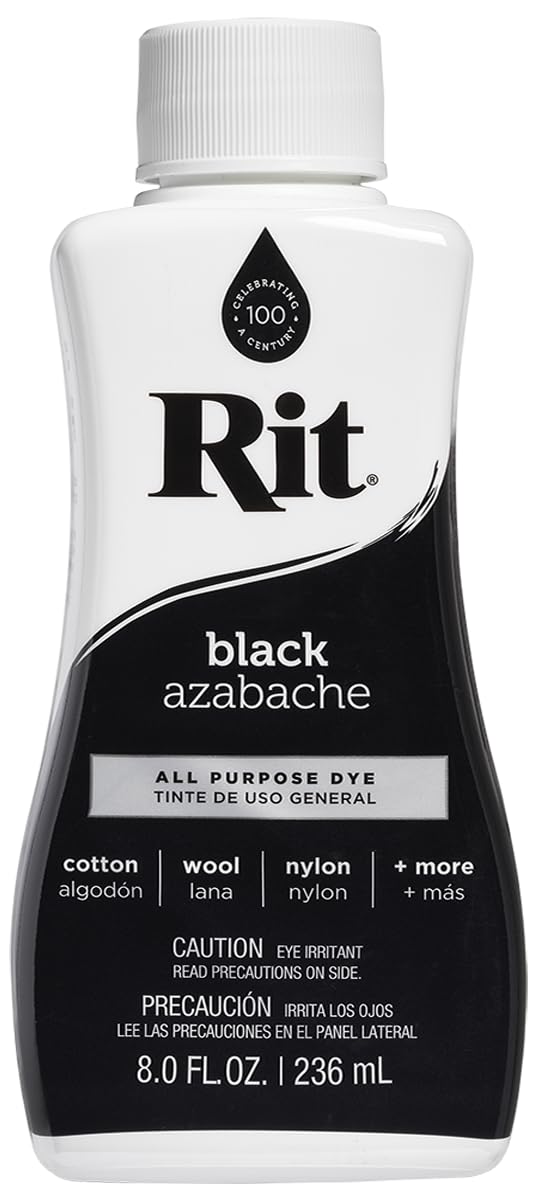
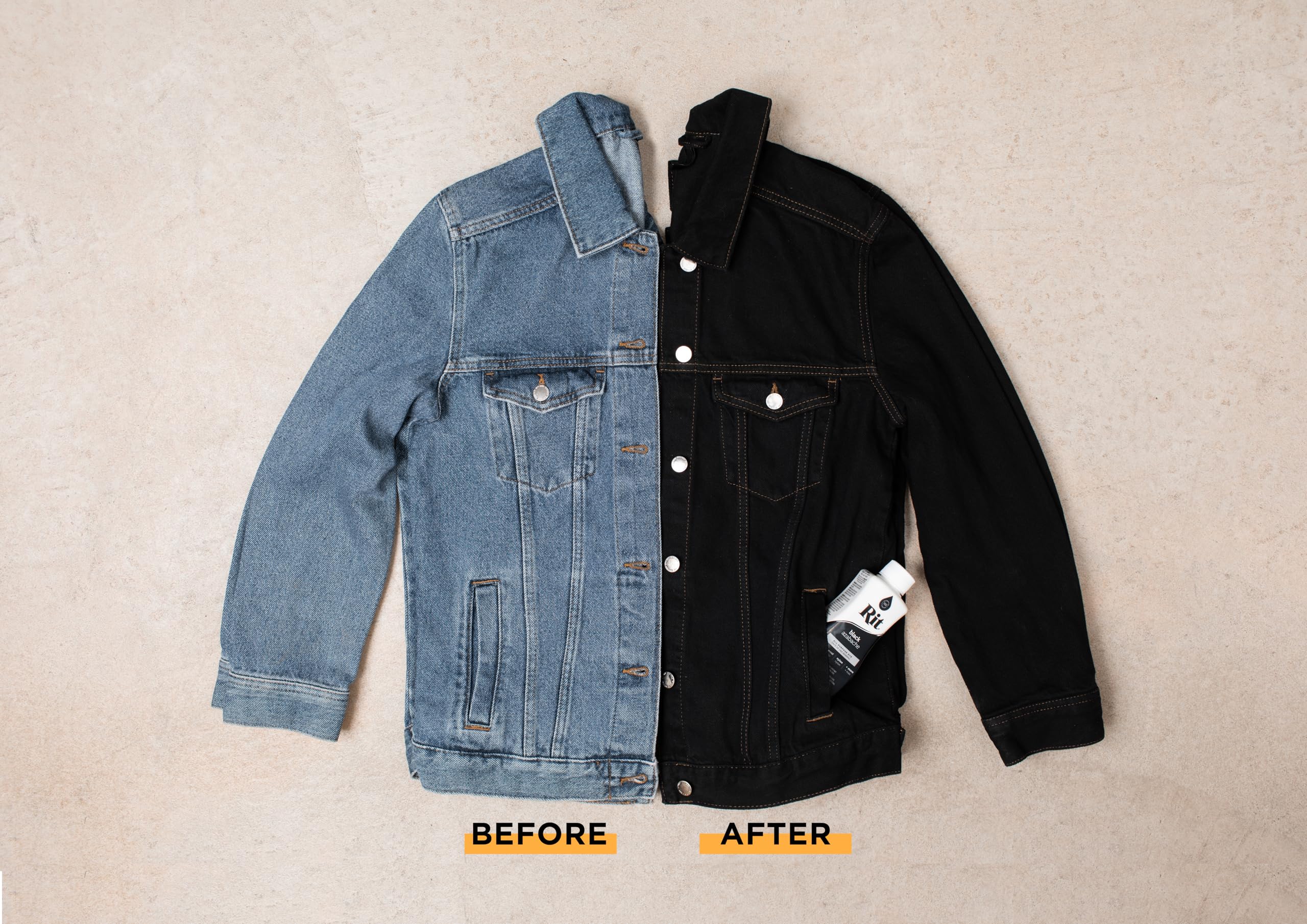
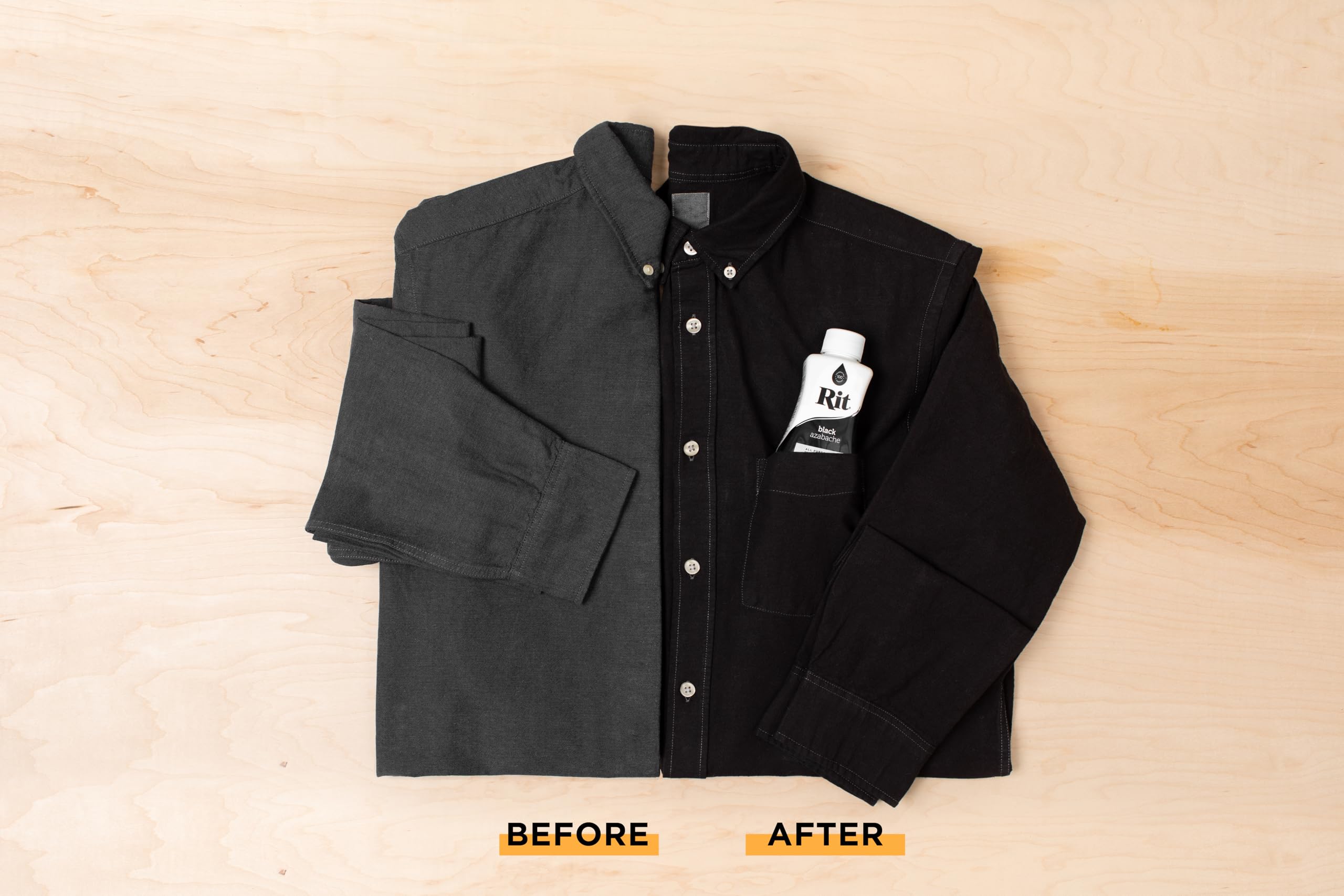
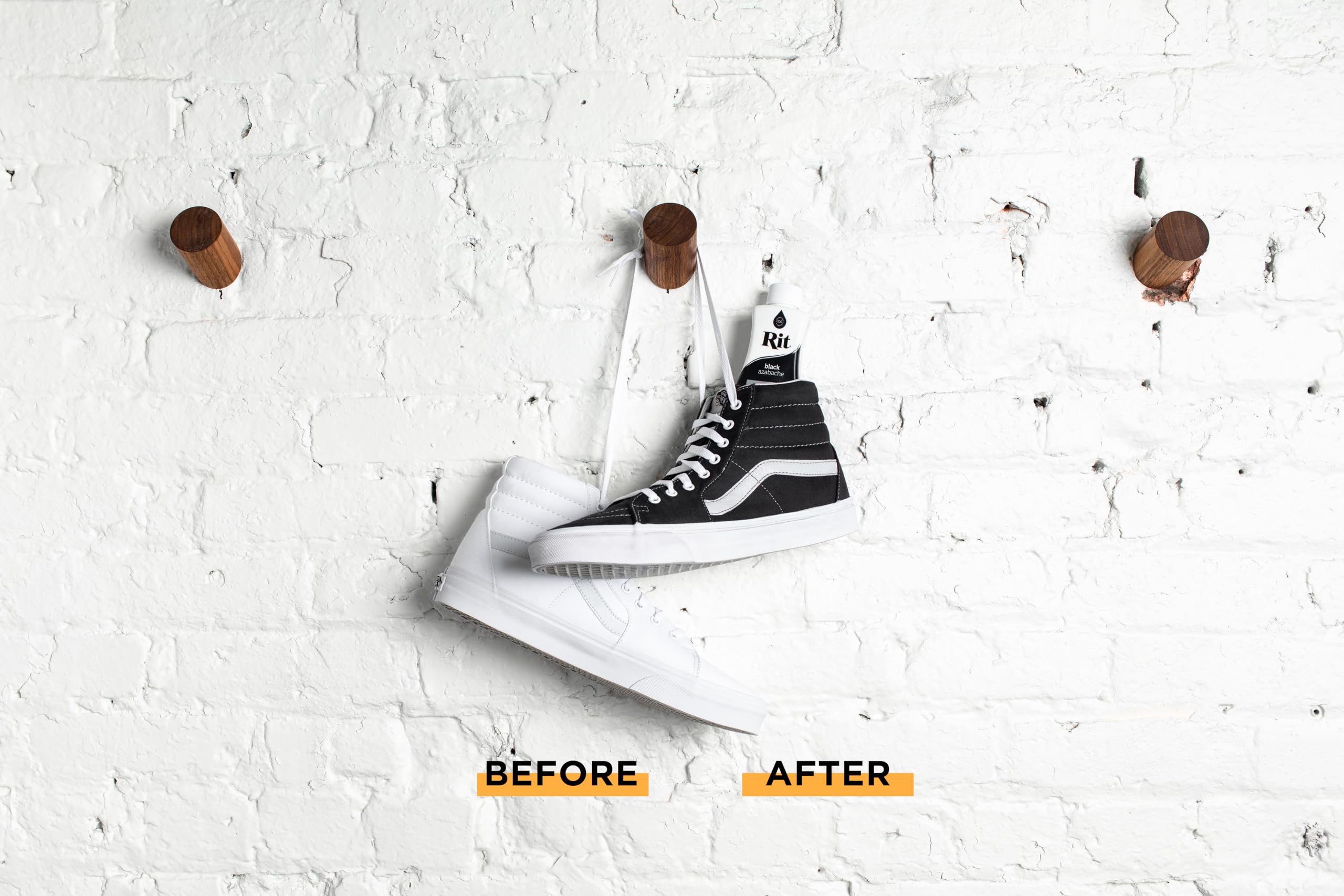
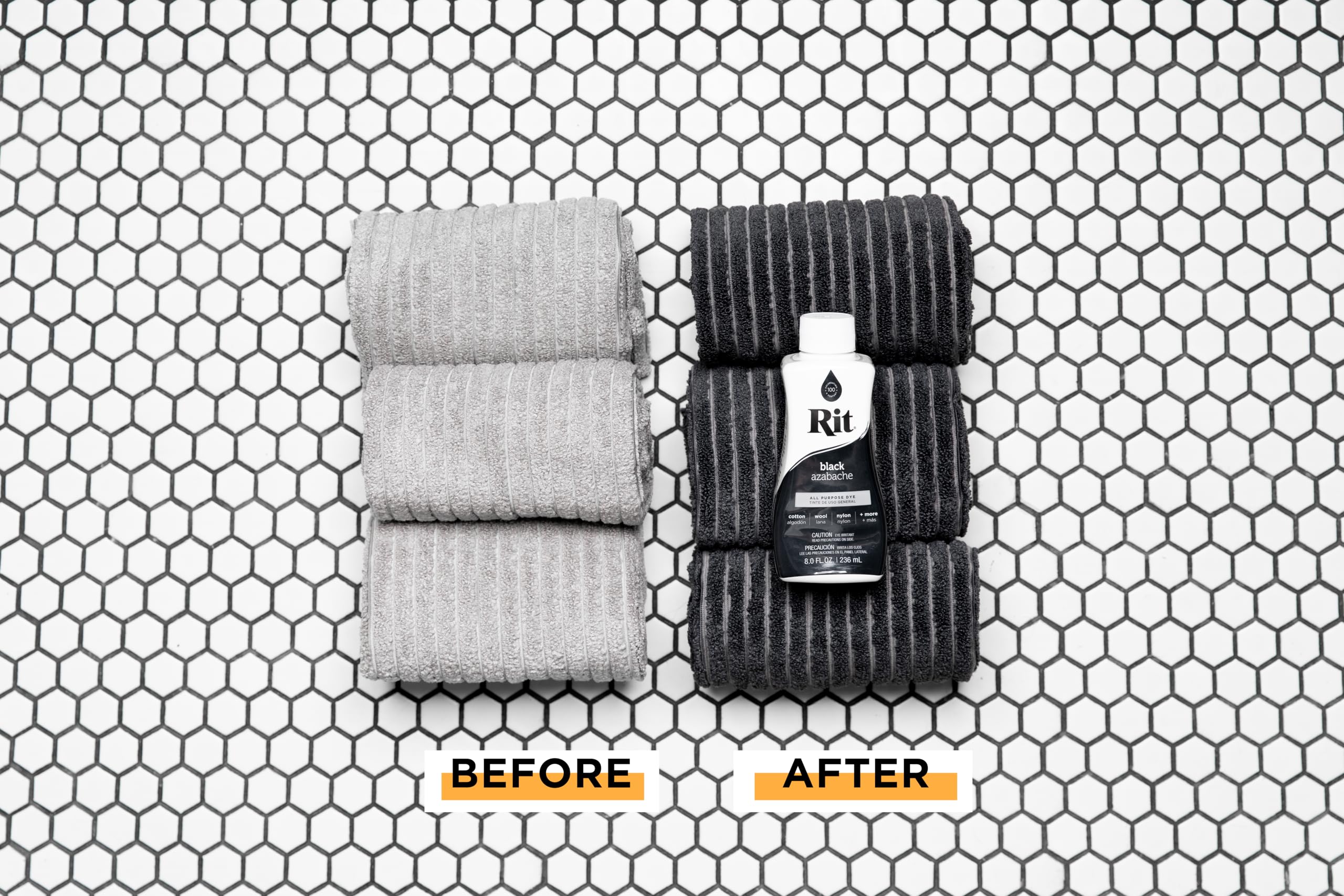
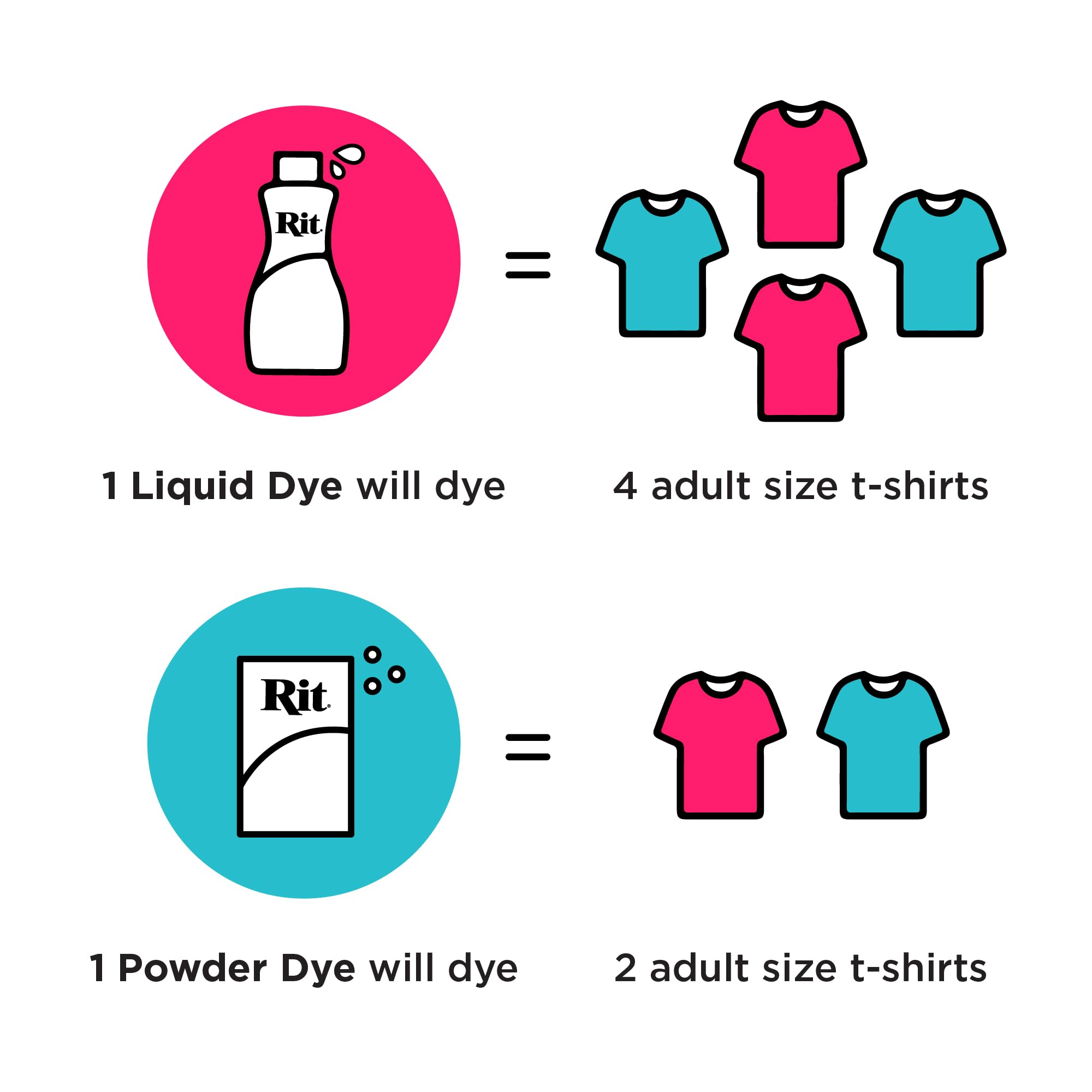
🖤 Dye Bold, Live Vibrant — Don’t Let Faded Colors Hold You Back!
Rit Dye 88150 All Purpose Liquid Dye in Black is a versatile, concentrated liquid dye designed to deliver vibrant, customizable color to a wide range of natural and blended fabrics, plus wood and paper. Ideal for reviving faded apparel or creating trendy DIY patterns like tie-dye and ombré, it works best at 140ºF with simple additives for professional-grade results. Trusted by millions, this 8 fl oz bottle offers creative flexibility and reliable performance for your next color refresh or craft project.

| Best Sellers Rank | #10,533 in Arts, Crafts & Sewing ( See Top 100 in Arts, Crafts & Sewing ) #49 in Fabric Dyes |
| Brand | Rit |
| Color | Black |
| Compatible Material | Fabric |
| Customer Reviews | 4.4 out of 5 stars 26,293 Reviews |
| Item Form | Liquid |
| Item Weight | 9 Ounces |
| Unit Count | 8.0 Fluid Ounces |
L**N
Great Buy!
I use Rit dye all the time, here are some helpful tips! Step by Step CHOOSING FABRICS. Rit works best on many natural, washable fabrics and materials, such as: a. 100% cotton, linen, silk, wool, ramie b. Synthetics such as rayon and nylon c. Fiber blends with at least 60% cotton or other dyeable fiber (blends will tint evenly but will not achieve full color) d. Nylon-based plastic such as those found in buttons, fasteners and lacrosse sticks e. Natural materials such as wood, wicker, paper, feathers and cork But there are fabrics and materials that will not accept dye, such as: a. 100% polyester, acrylic, acetate, fiberglass, spandex and metallic fibers b. Fabrics with rubber backing (bath mats or throw rugs) c. Fabrics with special finishes such as water repellents d. Fabrics with bleach damage or extensive staining e. Fabrics washable only in cold water or labeled “dry clean only” f. Polyethylene plastics such as golf discs g. Polycarbonate plastics such as eyeglass frames Fiber content and weight also effect how color appears making fabrics like cotton, wool and silk absorb dye differently, slightly changing the hue and brightness of the chosen color. If you are in doubt as to whether your fabric will accept dye or achieve the color you want, we recommend testing a swatch. DYE PREP. Cover work area with a plastic table cover or newspaper and have paper towels or sponges handy to protect against any possible spills. Wear rubber gloves to protect hands from getting stained and to insulate them when working with hot water. Use plastic buckets or stainless steel pots for the dye bath. You can also dye in a stainless steel sink. Don’t dye or rinse items in a porcelain or fiberglass sink or tub as they are likely to get stained./p> ACHIEVING TRUE COLOR. Always follow manufacturer’s care instructions for your fabric as well as Rit Dye package or bottle instructions. Remove stains on fabric or use Rit Color Remover before dyeing to get fabric to an off-white or cream color. This will help achieve uniform color results when dyeing. Dissolve powder dye thoroughly in 2 cups of very hot water first to avoid dye spotting. Stir dissolved powder dye or well-shaken liquid dye into dye bath until evenly dispersed. Never pour liquid or powder dye directly on fabric unless looking to achieve a specific creative effect. Be sure to use enough dye for the weight or size of the project. For example, for a pound of dry fabric (about 3 yards), use one package of Rit powder or 1/2 bottle of Rit liquid in 3 gallons of water. You want enough water for the fabric to move freely in the dye bath so that it can absorb the dye evenly across the garment. When dyeing 1 pound of dry fabric in dark or bright colors such as Black, Dark Brown, Cocoa Brown, Navy, Purple, Wine, and Dark Green, use double the amount of dye (2 packages of Rit powder or 1 bottle of Rit liquid) in 3 gallons of water. For the deepest color, use a water temperature of 140ºF/60ºC and keep heat constant while dyeing (the stove top method or a washing machine work best). Note: If tap water is not hot enough, heat water on the stove, in a teakettle or in the microwave. If dyeing a garment more than one color, it’s usually best to start with the lightest color and move to the darkest. For more intense color when dyeing fabrics containing cotton, rayon, ramie, or linen, add 1 cup salt to the dye bath. When dyeing nylon, silk and wool, add 1 cup white vinegar to the dye bath. If possible delay adding the salt or vinegar until 5 minutes after the fabric has been in the dye bath. The delay will help to promote level dyeing. Add 1 tablespoon laundry detergent to all dye baths to help promote level dyeing. The longer the garment is immersed in the dye bath, the deeper the resulting color. Items can remain in the dye bath up to 1 hour as long as the water remains hot. You’ll also have to make sure the item receives constant agitation or stirring. Garments will also look darker when wet and prior to washing. When you remove clothes from dye bath, rinse in warm, then cool water until water runs clear. (Warm water helps to rinse off surface dye more effectively.) Wash your fabric/clothes in warm water with mild detergent and then rinse thoroughly in cool water. Machine dry or hang dry. CARING FOR DYED ITEMS. For the first two or three times, wash your dyed item by itself in cool water with a small amount of non-bleaching detergent. Always wash your dyed clothing with similar colors in cool water with mild detergent. Dry cleaning silks and special fabrics is recommended. CLEANUP. Clean containers and sinks immediately after dyeing by scrubbing with hot water and powdered cleanser or bleach. Clean washing machine using highest water level with hot water, detergent and 1 cup chlorine bleach using complete wash cycle. Clean lint traps. Plastic or rubber machine parts may be tinted but will not stain laundry.
V**Y
Dyeing Made Easy
Rit Dye Liquid Fabric Dye gets the job done, mostly. It’s easy to use and great for reviving old clothes or fixing color mishaps. The black dye works well on cotton and other natural fabrics, getting them pretty dark if you follow the instructions. For example, it saved a pair of my jeans that had a bleach spot. But, there are some downsides. It doesn't always work perfectly on all fabrics—sometimes it can turn out purple instead of black, especially on synthetic materials. Also, the color may fade after a few washes, which can be a bit disappointing. Overall, it's a good product for its price, but results can vary depending on the fabric and how well you follow the instructions.
K**B
Makes black clothes really black again
You can certainly use this to change clothes to black, but it also works really well to make clothes that used to be black really black again. I'd say about half my wardrobe is black and eventually your favorite items start to look faded and not as dark as they used to be. Also, some blacks are different shades (blue base, green base, etc.) so sometimes you have two black pieces that don't really match. Well, you can change that with this dye. As long as the pieces you are dying are made of natural fibers like cotton or rayon, this will make them black, black, black again. I will say that this can get messy so you definitely need some gloves and tongs to use while dyeing. Also, I've only used the stovetop method so I don't know how well this works in a washing machine or how hard it is to clean. I will say that I prefer the stovetop method because then I can see how black my clothes are getting and if any parts have been missed. It helps to use as big a pot as possible and to stir it as often as you can. I typically stir for five minutes or so, let it sit (at the proper heat) for a good hour and come back and stir occasionally to be sure everything is properly coated. I then pour the whole thing into a plastic tub to soak longer. Before rinsing, use some of the RIT colorstay spray and the rinsing process will go much faster. I typically spray the item and let it sit in the now empty plastic bin for 20-30 minutes. Then rinse, handwash, and rinse again. If it's taking a while, let the item soak in cold water for a while before rinsing again. I typically let it dry so I can see if there are any spots I missed. If so, I repeat the steps. If not, I'll throw it in the wash -- with dark colors, only -- and then it's done. I love using this dye and am kind of addicted. Changing the colors of your clothes is a great way to give yourself a new wardrobe for a few dollars. Find things that you don't wear anymore because they are stained or faded or a color you no longer like and give them a new life. Saves money, saves resources, and it's just plain fun.
S**K
It worked!
For the price, you really can't NOT try this out. I dyed a grey, jersey/cotton fabric tank top black. I wasn't totally sure what the material was because I cut the tag off, but I went ahead and chose to use salt over vinegar. I boiled a pot of water, and then added some hot water from the tap which wasn't boiling but still very hot into a bucket. I added lots of salt, didn't measure, but I would guess maybe 8-9 teaspoons or more. I added about 3 drops of dishwashing liquid (Dawn) to the hot water in the bucket, which I thought was weird to add because normally dishwashing liquid has a bleaching component to fabric but it worked fine. I mixed the water, then added 1/3 of the dye bottle and mixed again. When you put your clothing item in the water, mix it immediately for at least 10 minutes. I used my hands (with gloves) to make sure all parts of the fabric were getting equal exposure to the dye at the same time. I left it in there for 45 minutes, mixing every minute at least, rinsed out all of the dye with cold water in the sink until the water looked mostly clear (about 12 minutes). I put it in the washing machine with an old, dark blanket on "delicate" cycle with 1/4 cup of detergent. I let the shirt dry on a drying rack rather than the dryer. It turned out a beautiful dark, charcoal grey. It didn't end up black, but I actually prefer it this way so it worked out for me. If I dyed it a second time I'm sure it would turn out black. I hope the color lasts! The shirt did not stain my washing machine.
M**O
Muy bueno
Excellent
K**Y
Needs improvement
I used two bottles for coloring some string for a craft project. Unfortunately, it did not work as expected and turned out more gray than black. I also used this on some cotton shorts. It came out black but the color did not last very long.
B**R
I just used RIT again to dye black jeans and a pair of climbing pants and shorts.
I've used RIT dye products over the years mostly to dye and renew jeans that haves faded with repeated washes. I'm mostly wearing jeans as casual wear, not for work. And I'm too old for distressed jeans. So I'm faced with say a 3-4 year old pair of jeans that are faded but otherwise in fine shape. And if i've held onto them that long it means they fit me great. So for under $10 and a couple of hours of my time, I can make a couple pair of faded jeans look like new. Just follow the directions. You'll also need a cup of table salt and a teaspoon of dish washing soap to add to the dye solution. And hot water... at least 140F. I also use the RIT dye fixative along with the dye. I get maybe about 4 years of life out of the dye. That's pretty good in my opinion. Just one suggestion. I only use the dye outdoors in a 5 gallon bucket. There is no way I'd take a chance using this dye indoors. It will stain a lot of materials it touches. But it seems to have zero effect on grass.
K**R
What's the Big Deal?
First a little back ground. I like to make things - things I can't find elsewhere or would be too expensive to buy. I have an army cot I use for search and rescue missions. It kills my back. I decided to get some wood and velcro it to the top of the cot and lay a wool blanket over it for padding and warmth. Problem solved. Back is happy again. But this caused another problem. I needed a bag to carry the slats of wood in. So what to do? I ordered some Rit black dye and Rit fixative through Amazon Prime. As usual they were here in two days. I ordered a yard of 8 ounce cotton canvas duck from ebay for $5. I went to the Rit web site (as other reviewers suggested) and watched a few You Tube videos. I'm not sure why other reviewers find dyeing difficult. It was a breeze for me. I covered the counter tops and the floor with old towels - just in case. I warmed 3 quarts of water in a 6 quart stainless stock pot. I washed the canvas on a quick cycle while the water heated on the stove. I put the dye (all 8 ounces) in the pot, a squirt of dish soap and then put in the canvas. The canvas immediately absorbed the dye. As recommended by Rit, I put in a cup of salt after 5 minutes. I followed the directions and let the canvas soak. I also used tongs to sift the canvas in the pot. I got tired of sifting the canvas after 5 minutes and went on to another project while the canvas soaked. An hour later I poured the black water from the pot into our stainless sink. I rinsed out the fabric in the sink. The water went from black black to purple. The canvas stayed black. Unlike others I did not continue to rinse until the water went clear. I got bored with the rinsing. I sprayed the fixative on the fabric. I still had half a bottle of the fixative so I poured it on the canvas and wrung out the canvas in the sink. The canvas is a black black. Did I say black? Not purple, not blue, certainly not green. Black as night. I gathered up the towels and put them in the washing machine with some bleach for a soak. I also put some bleach in the stock pot and sink. Within 5 minutes the pot was shinier than it was when I started. I did wear old clothes just in case. But this was not a messy process. Perhaps others didn't hold their mouth right. I'm a guy. I have four daughters and a wife - so I know that women are way smarter than men. So if I can do this, anyone can. Now I need to figure out what size to make the bag and get to working sewing it and putting on some carrying straps.
ترست بايلوت
منذ 3 أسابيع
منذ يوم واحد