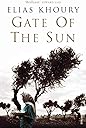
Gate of the Sun
Product ID: 77861964
Desertcart purchases this item on your behalf and handles shipping, customs, and support to Israel.
Gate of the Sun : Khoury, Elias, Davies, Humphrey: desertcart.in: Books Review: 1993年のオスロ合意以後の、パレスチナ問題における難民問題の遺棄という現実。一方で、たとえばレバノンのパレスチナ難民キャンプのように、移動の自由や職業選択の自由などを与えられず、難民キャンプの中に留め置かれ、しかし、祖国と、未だ果たされない祖国への帰還とを、夢見る難民たちの存在。 エミール・ハビービーの『悲楽観屋サイードの失踪にまつわる奇妙な出来事』(山本薫訳、作品社、2006年12月)が、イスラエル領内に生きるパレスチナ人の生の実存的引裂かれを、主人公のサイードにおいて形象化しているとしたら、上のような情況を生きるパレスチナ難民の生とは、文学作品ではどのように形象化・表象されうるのか。 イリヤース・フーリーによるこの本『太陽の門』は、まず第一にこうした問いに対して取り組んだ作品と言える。さらには次のような問いにもこの本は関わっている。すなわち、パレスチナ難民にとって、「現代史」とはいったい如何なるものなのか。難民にとって、「現代史」、「歴史」とはいったい如何なるものとして記憶され分有・継承されるのか。 パレスチナ難民にとって、「歴史」を語るとは、自らを祖国と祖国の記憶へと切り結ぶ営みと不可分なものに違いない。だが、自らの存在を遺棄され、祖国への帰還も限りなく引き延ばされるかのような今日の情況にあって、その営みとは自己矛盾・アンビバレンスを含んでいるのではないだろうか。この自己矛盾・アンビバレンスの痛みを抱えつつ、それでもなお「パレスチナ難民」たる事を選び取って生きる者たち。彼ら彼女らにとっての「歴史」とは?「祖国」とは?「帰還」とは? この本は、そうした思想的問題とも関わっている。 Review: Great Read!
| Best Sellers Rank | #315,436 in Books ( See Top 100 in Books ) #1,089 in History of Civilization & Culture #2,148 in Military History (Books) #3,137 in Myths, Legends & Sagas |
| Country of Origin | United Kingdom |
| Customer Reviews | 4.3 4.3 out of 5 stars (72) |
| Dimensions | 12.9 x 3.1 x 19.8 cm |
| ISBN-10 | 0099461595 |
| ISBN-13 | 978-0099461593 |
| Item Weight | 353 g |
| Language | English |
| Print length | 512 pages |
| Publication date | 5 October 2006 |
| Publisher | Vintage |
K**N
1993年のオスロ合意以後の、パレスチナ問題における難民問題の遺棄という現実。一方で、たとえばレバノンのパレスチナ難民キャンプのように、移動の自由や職業選択の自由などを与えられず、難民キャンプの中に留め置かれ、しかし、祖国と、未だ果たされない祖国への帰還とを、夢見る難民たちの存在。 エミール・ハビービーの『悲楽観屋サイードの失踪にまつわる奇妙な出来事』(山本薫訳、作品社、2006年12月)が、イスラエル領内に生きるパレスチナ人の生の実存的引裂かれを、主人公のサイードにおいて形象化しているとしたら、上のような情況を生きるパレスチナ難民の生とは、文学作品ではどのように形象化・表象されうるのか。 イリヤース・フーリーによるこの本『太陽の門』は、まず第一にこうした問いに対して取り組んだ作品と言える。さらには次のような問いにもこの本は関わっている。すなわち、パレスチナ難民にとって、「現代史」とはいったい如何なるものなのか。難民にとって、「現代史」、「歴史」とはいったい如何なるものとして記憶され分有・継承されるのか。 パレスチナ難民にとって、「歴史」を語るとは、自らを祖国と祖国の記憶へと切り結ぶ営みと不可分なものに違いない。だが、自らの存在を遺棄され、祖国への帰還も限りなく引き延ばされるかのような今日の情況にあって、その営みとは自己矛盾・アンビバレンスを含んでいるのではないだろうか。この自己矛盾・アンビバレンスの痛みを抱えつつ、それでもなお「パレスチナ難民」たる事を選び取って生きる者たち。彼ら彼女らにとっての「歴史」とは?「祖国」とは?「帰還」とは? この本は、そうした思想的問題とも関わっている。
M**N
Great Read!
U**E
Occasionally you come across a great book by a great author and after reading 10-15 pages you realize that you could never write a novel like this, the prose, the detail, the character development are simply outstanding. After finishing the book you sit and reflect on it a bit and recognize that it has, in some greater or lesser manner, changed your world view forever. The novel has left you with images you will never forget. Elias Khoury's novel Gate of the Sun is this type of novel. Future generations will speak of Khoury in the same breathe with Zola, Dickens, and Dostoevsky. Gate of the Sun is a story about the Nakba (or Catastrophe) that occurred in 1948 when the state of Israel was formed and the Palestinian people were scattered to the winds: some to life as second class citizens in Israel, many forced into ghettos in Gaza and the West Bank, and many other scattered throughout Lebanon, Jordan, and rest of the Muslim world. The story begins as a famous Palestinian freedom fighter lay in a coma dying in a hospital outside Beirut. A close friend sits with him day and night and spends the next seven months recounting stories from their lives. What follows is a recounting of the Palestinian experience from the Nakba through the '67 war, Black September, the Lebanon War, and the massacres at Sabra and Shatila. We learn about life in refugee camps, the struggle of the freedom fighters, how the Israelis drove the Palestinians out of their villages and homes before and after '48. In short, we learn about the peregrinations and vicissitudes of the Palestinian people. This story isn't told in a linear fashion. There are jumps in both time and space as various episodes in both characters lives are revisted, and stories that were told to them by others recounted. We learn about all aspects of the Palestinian condition, big and small. The tales range from domestic disputes, love affairs, and parent-children stories to tragic tales of expulsion in '48 and genocide in '82. One of the great strengths of this book is that it is not simply a paean to the Palestinians. Khoury recounts many episodes that are not particularly flattering to the Palestinians. This is not an easy book to read. Although the style is very different, I would compare it to the works of Gabriel Garcia Marquez in that it will take a bit of discipline to get through (this is definitely not a beach read). The only negative comment I can make about this book is that it is, in some ways, too bad that this book is so difficult to work through. I wish that this novel was more approachable by the average reader in the United States (not that Khoury was necessarily writing for these people). Any Westerner who reads this book cannot possibly look at the Arab-Israeli conflict in the same light. We have been conditioned to view the Israelis as the victims, after reading this book, you would be hard pressed to hold this view ever again. Finally, on one quasi-political note, this novel also explained to me why the Palestinians have been so adamant about retaining the right of return in their negociations with the Israelis. I could never understand why they held onto this so tightly, but after reading this novel, you'll completely understand. Bottom line is that this is one of the most detailed, well written novels I have ever read and I think that it compares favorably with the best novels written in any language. There are so many unforgettable images in this novel that you'll be shell-shocked when you finish it. Not a trivial undertaking, but you'll be richly rewarded if you take this journey.
A**K
Very nice story, well narrated and brings back some historical facts about the region and the politics in general in the Middle East
T**S
A book having to do with war, upheavel and the enduring drive of humans to carry on. While this book is touted as supporting the palestinian cause, its underlying theme can be seen and understood by anyone who can understand what war and instability does to people, how it can drive them mad, how it can inspire them and wear them down at the same time, how a man can miss his life and children chasing a dream. Nothing in this book is portrayed as easy as black and white, good or bad, so regardless of which side of the conflict you side with it is a good read. The storyline swirls and eddies, kinda dreamlike, moving back and forth from one time period to another as a man visits his "father figure" in the hospital and tells the dying man (as well as himself) stories of his own life and those around him. It is as much about the conflict as it is about a man who comes to terms with the mortality and faulty humanity of his father figure.
Trustpilot
5 days ago
1 week ago