Some deliveries may take a little longer than usual due to regional shipping conditions.

قم بتنزيل التطبيق


معلومات عنا
حقوق الطبع والنشر © 2024 Desertcart Holdings Limited
قم بتنزيل التطبيق
Full description not available
G**R
multimode training for the modern man
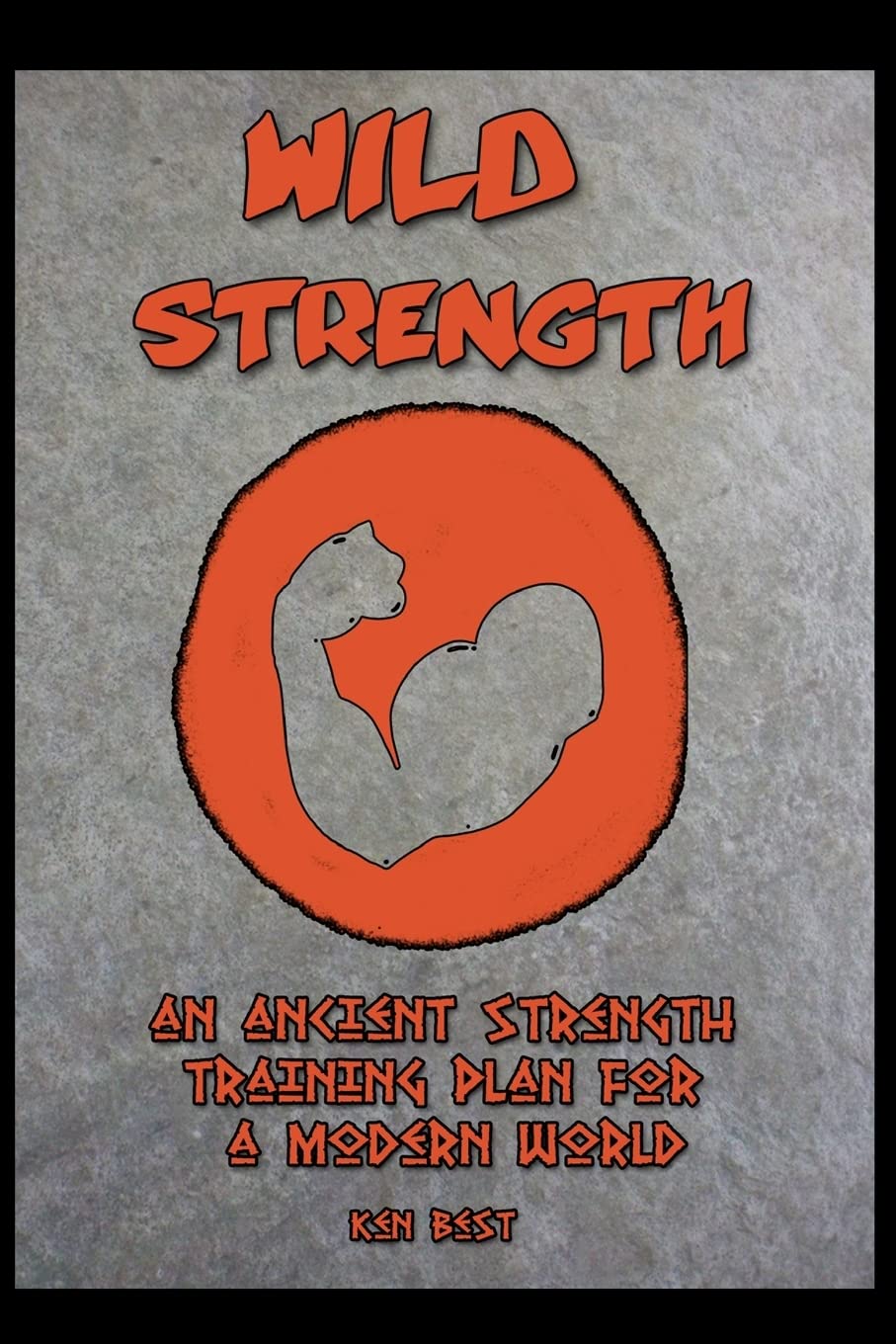
"Wild Strength (The Wild Athlete Plan)" is a very well thought out, very well presented plan for a multimode approach to strength training. Ken Best is a long time strength, muscle, body builder from Australia with many contributions to Australian Ironman and MILO magazine. He has the experience and knowledge to write this book. And he did it well. My only complaint is the total lack of pictures, but the descriptions are clear, simple, and complete being easily followed. Mr. Best believes in simplicity of approach. And he achieves that here.Mr. Best has worked out through enough cycles and fads to speak with wisdom and authority in the fitness field, moving beyond complicated programs, fancy machines and all the various fads and movements that have come and gone over the last 50 years.Here Mr. Best lays out 5 principles (bipedalism, gravity, whole body movements, posture and basics first. He then lays out 5 modes (free weights, odd, heavy objects, bodyweight, partner resistance, manual labor). He then clearly describes the differences in body development that each mode will have on the the user. He lays out his top five exercises for each mode, and describes very well how to implement them into a program. Mr. Best recommends using all of these modes in full body workouts, emphasizing different modes on different days of the week. He does not lay out an exact day to day program, but outlines well and clearly how to use the exercises to develop an outstanding, total body approach to total body fitness. Mr. Best makes many references to the ancient hunter gatherer cultures for examples of how our bodies developed, and how we can use modern tools in ancient work patterns to develop a more complete strength and endurance program than using any one of the modes could ever do.In each mode, Mr. Best describes simply and well, in easy to follow terms and directions, the top five exercises. The only way to improve on what is presented would be to have pictures. Mr. Best discusses progression in difficulty, and safety in great detail, emphasizing the environment, the tools and the personal approach as all necessary for good progression in the exercises and for good safety.Armed with the information in this book, and a general knowledge of fitness and working out, construction of an excellent, well rounded plan to develop strength and endurance becomes very doable. This is the first book I have seen that so successfully outlines complete strength fitness. The closest one I know of is Adam Bornstein's "Men's Health: Getting Abs." But that, while excellent and bluntly honest, does not cover all the modes of workout out that Mr. Best covers. Bornsteins' book also has an unfortunate misleading cover that does not come close to matching the reality of the contents of the book. The two are an excellent pair to add to any library on fitness and strength.Note. There is minimal to no diet discussion in this book. That is not a failure, but a recognition of reality, and over discussion of diet as a magic pill in most other books. Mr. Best's interest here is the workout modes he presents so well,
M**E
Some good info but not really helpful in structuring a program.
I bought this book as part of my interest in developing a more "primal" workout plan that still made use of some traditional tools such as barbells and dumbbells but incorporate other resistance-training tools such as sandbags, kettlebells, and general bodyweight movements. The description of the book seemed promising as did some of the reviews. There are some good thoughts in the book but there really isn't anything in there that is incredibly helpful in terms of actually bringing things all together into a workout plan. The book does do a good job of comparing some of the different tools and, to its credit, acknowledges the areas where traditional lifts hold the advantage. Many "primal" fitness sources go out of their way to trash-talk traditional lifts. Where it falls down is actually providing solid information about how to mix and match the different tools into an effective training plan. There are only about two pages that cover that and the discussion there boils down to basically spitballing ideas that anyone interested in this book has probably already had. I was hoping for at least a solid conceptual structure to work with. Instead, you get something to the effect of, "Well... you could maybe do this or maybe do that. Here's what I do right now." It's a lot of sizzle and very little steak.
F**T
Five Stars
great book
ترست بايلوت
منذ 3 أسابيع
منذ شهر